

Home/Guides
Guides
Plain answers, before anyone visits
The questions we answer most, written down properly. No jargon walls, no scare tactics, and no prices plucked from the air. Each guide ends where it should: knowing what to do next.
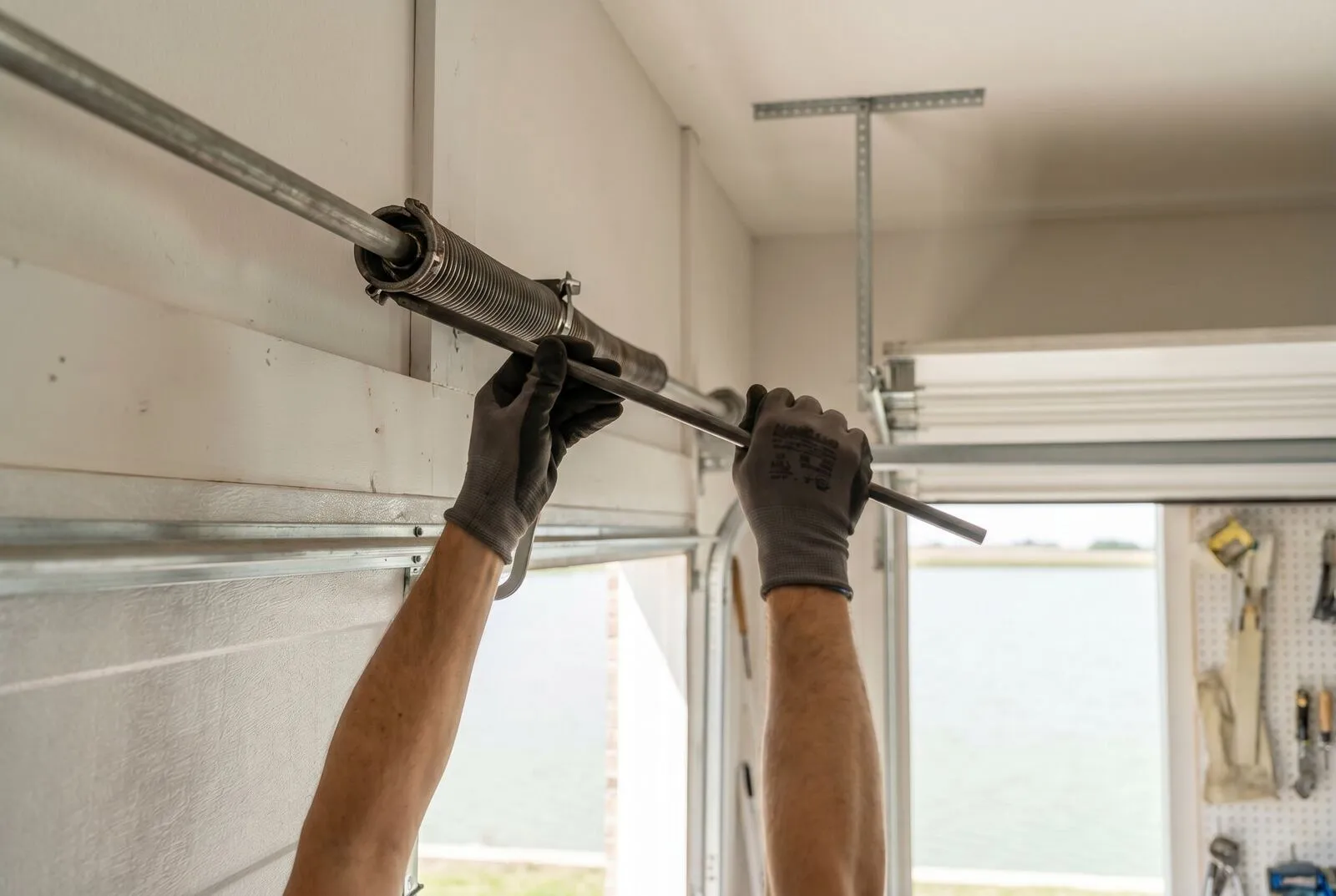
Why a garage door goes heavy
The counterbalance explained, the half-open test, and the one part you should never touch.
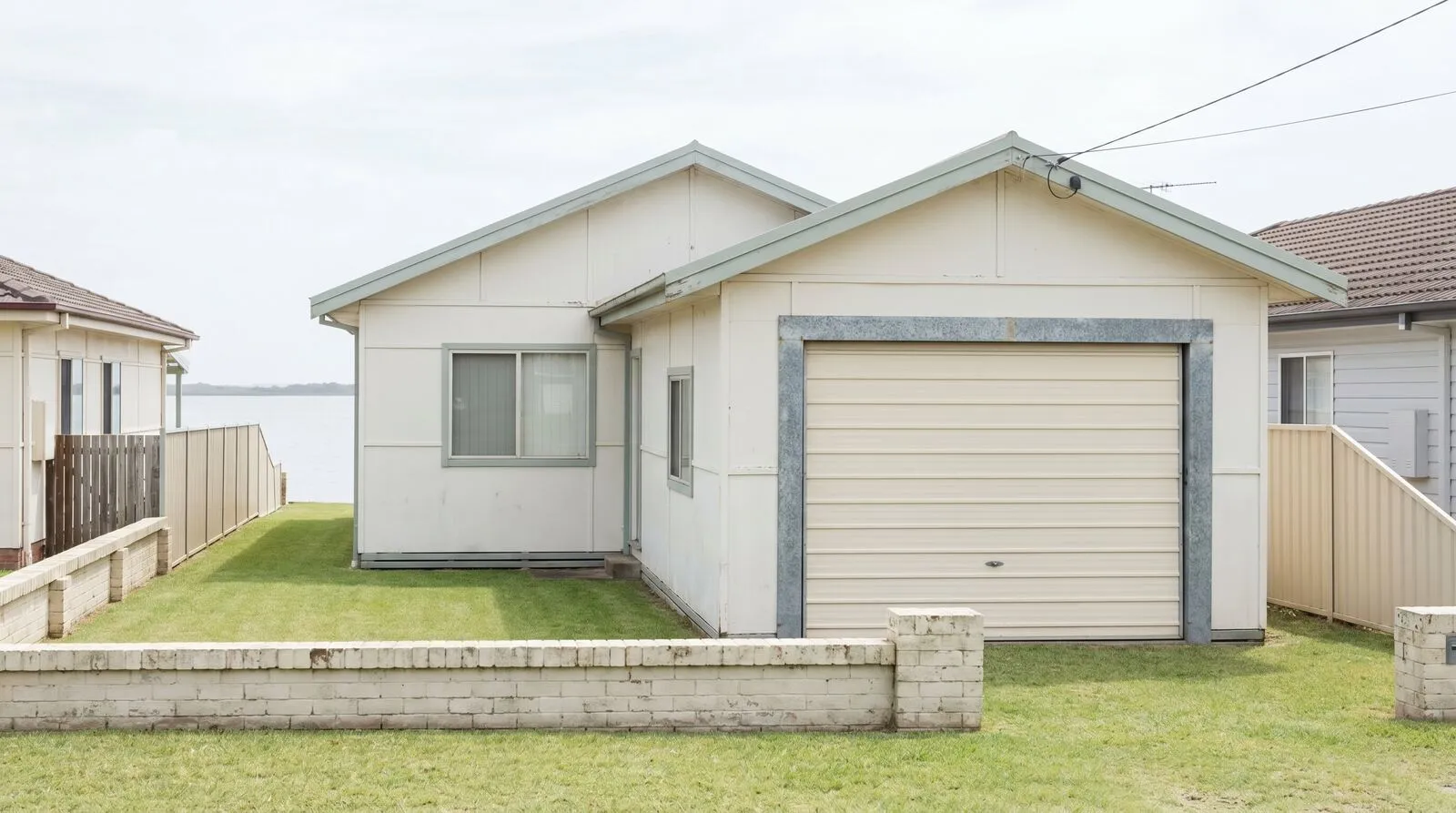
Replacing an original tilt door
When the old one-piece door is done, and what actually suits the opening it leaves behind.
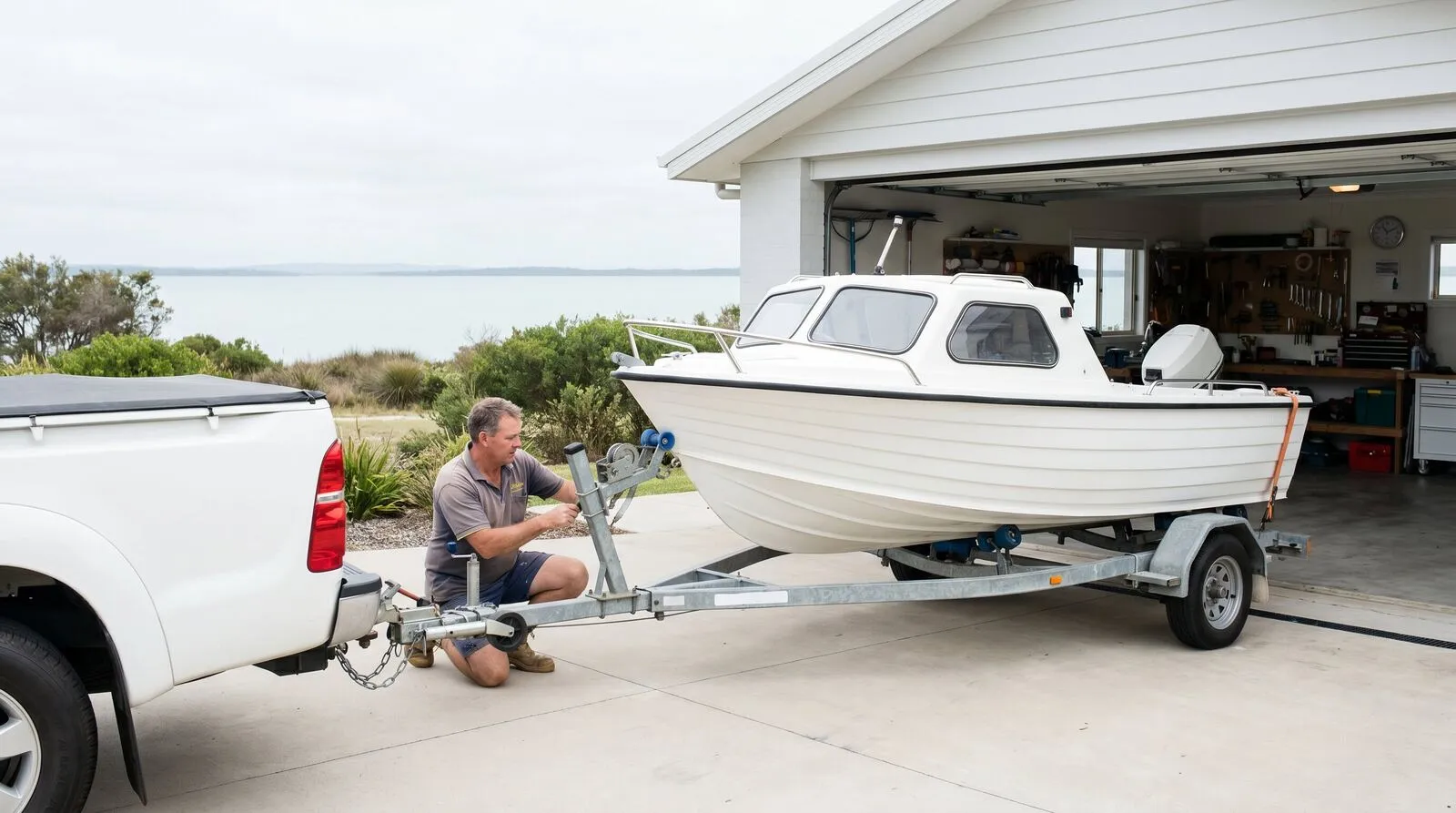
Will the boat clear the door?
How to measure the rig and the opening properly, with a helper that gives you a first read.
The trade's words
A level glossary
Ten terms you'll hear around a garage door job, each explained in a sentence or two you can actually use.
- Torsion spring
- The wound steel spring on a shaft above the opening that counterbalances the door's weight. It does the lifting; the opener or your arm only steers. It is under load whenever the door is down, which is why it is never a DIY part.
- Extension springs
- An older counterbalance style: a pair of long springs stretched along the tracks. Common on older tilt and sectional doors, and usually replaced with a torsion setup during major work.
- Gone heavy
- The trade's phrase for a door whose counterbalance no longer carries its weight. The door hasn't gained a kilo; the spring has lost its share, so your arm or the opener carries the difference.
- The half-open test
- Open the door about halfway by hand and let go. A balanced door stays put. One that creeps down or drops is out of balance and working everything harder than it should.
- Sectional (panel-lift) door
- The modern standard: hinged horizontal panels that rise and curve back along ceiling tracks. Needs roughly 300 to 400 mm of headroom above the opening in its standard form.
- Roller door
- A steel curtain that rolls up into a drum above the opening. Needs the least headroom of any door type, roughly 200 to 250 mm, which is why older and tighter garages often wear one.
- Tilt door
- A single rigid panel that pivots up and out in one piece. The standard fit before the 1990s; today it's mostly a repair-and-replace market as the originals reach the end of their run.
- Headroom
- The clear space between the top of the door opening and the ceiling (or the lowest thing hanging from it). Headroom decides which door types fit, and how.
- High-lift track
- A sectional-door track layout that sends the door higher up the wall before it curves back, keeping the opening clearer for taller loads. Needs wall height above the opening to work.
- Safety beams
- The pair of infrared sensors near the floor of the opening. Break the beam while an automatic door is closing and the door reverses. If an opener refuses to close, the beams are the first thing to check, and the last thing to bypass.
Ready when you are
Tell us what the door is doing, or what you'd like it to become. We read every enquiry and ring you back to sort out the next step.